
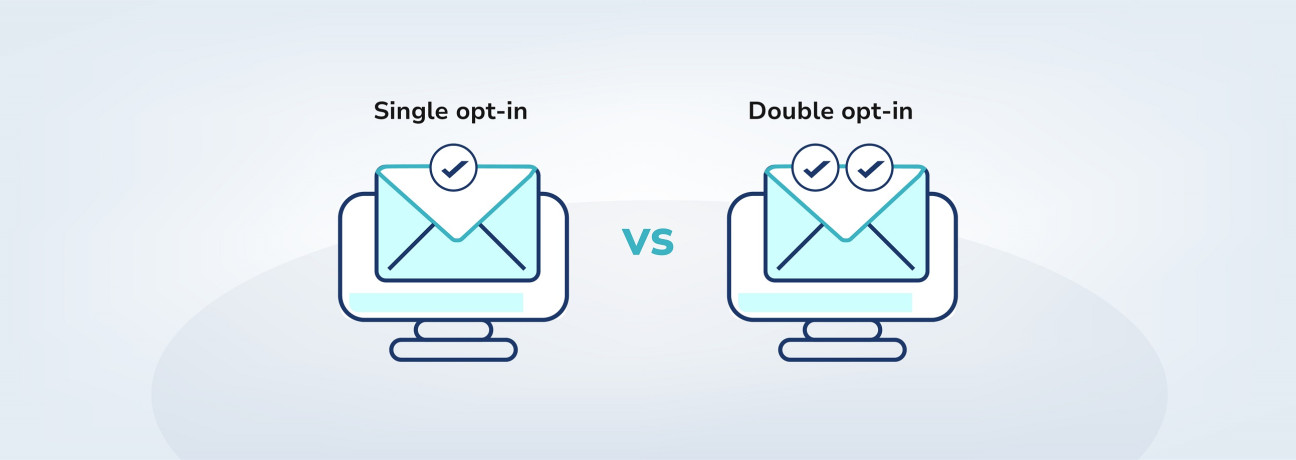
There’s one decision in email marketing that directly affects list quality, but often doesn’t get enough attention. Can you guess what it is?
It’s the choice between single opt-in and double opt-in.
At a glance, both do the same job: they collect email addresses. So why are there two methods? And why does this choice matter so much?
Because not every email collected is valid or deliverable. Signup forms today attract:
- mistyped email addresses
- fake or disposable emails
- low-intent users who never engage
If these are unchecked on your list, they affect deliverability, engagement, and overall campaign performance.
This is exactly why single- and double-opt-in are compared. They take two different approaches to controlling email data quality at the point of entry.
So in this guide, we’ll cover what single opt-in and double opt-in actually mean, how each method affects email list quality, where each approach works and where it creates risk, and ultimately, which one helps build a high-quality email list.
What Is Single Opt-In?
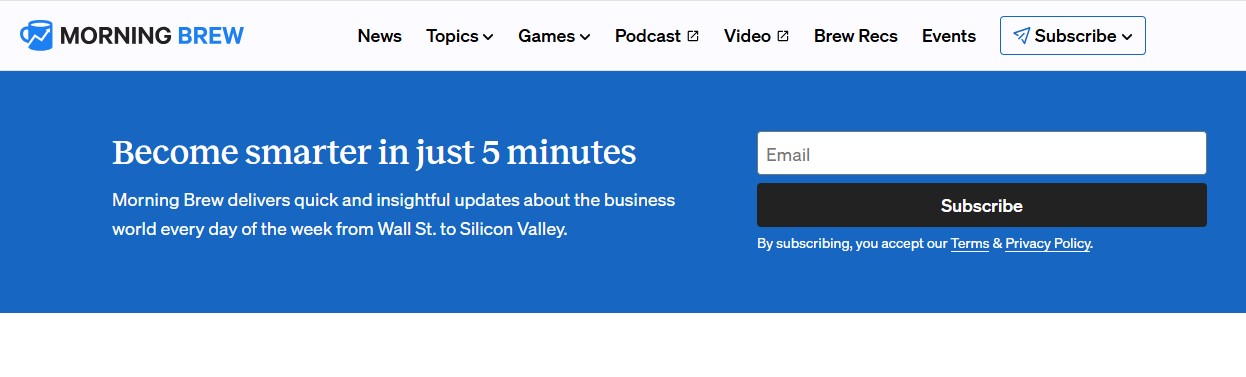
Single opt-in is an email signup process where a user is subscribed to a mailing list as soon as they submit their email address through a website form. The email address entered is treated as consent to receive newsletters, promotional emails, or other marketing communication, without requiring the subscriber to verify the address through a separate confirmation step.
Because the process is faster and involves less friction, single opt-in is commonly used to increase signup conversions and grow email lists quickly. However, since email addresses are not verified before being added, the list can also collect invalid, mistyped, or low-intent contacts that may affect deliverability and engagement performance.
What Is Double Opt-In?
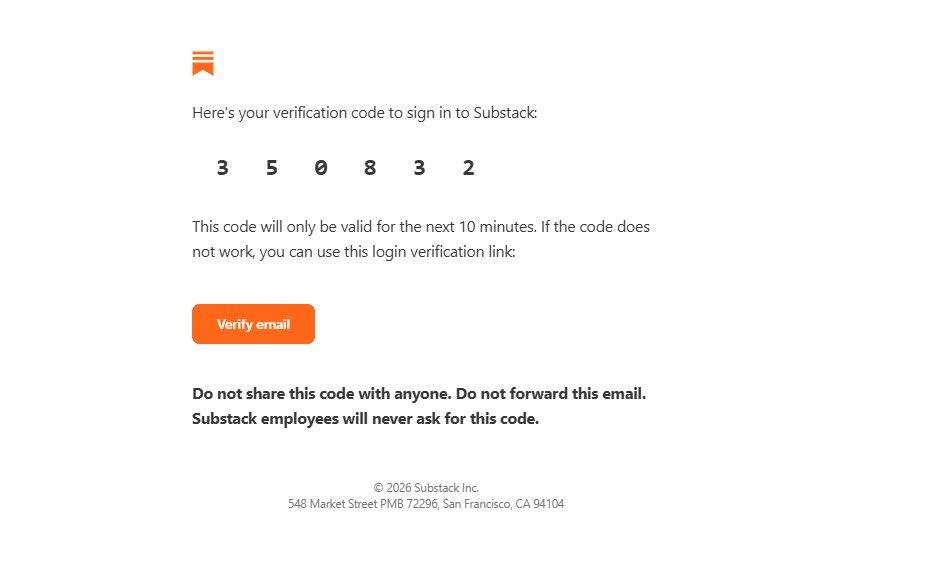
Double opt-in is an email subscription process where users must confirm their email address after signing up before they are added to a mailing list. After submitting a form, the subscriber receives a confirmation email containing a verification link or button. The subscription is completed only after this confirmation step is finished.
This method helps businesses verify that the email address is valid and that the subscriber genuinely wants to receive marketing emails. As a result, double opt-in often leads to higher-quality email lists with better engagement and lower bounce rates.
However, because it adds an extra step to the signup process, some users may not complete the confirmation, which can reduce overall subscription numbers.
How Email Opt-In Evolved: Why Single and Double Opt-In Exist
As email marketing became more common, businesses focused mainly on growing their subscriber lists quickly. Single opt-in became the preferred method because it allowed users to join a mailing list immediately after submitting their email address. The process was simple, required minimal effort from subscribers, and helped businesses collect more email addresses in a shorter time.
But as email marketing continued to grow, marketers began running into a different problem: email list quality. Many signup forms began collecting invalid email addresses, typos, inactive accounts, disposable email addresses, and users who were never genuinely interested in receiving future emails. These low-quality contacts began affecting email performance, leading to higher bounce rates, lower engagement, spam complaints, and poor inbox placement.
Email providers like Gmail and Yahoo also began placing greater importance on sender reputation and subscriber engagement. Instead of rewarding businesses simply for building larger email lists, email platforms started prioritizing permission-based email practices and verified subscribers. Privacy regulations such as GDPR, CPPA, and India’s Digital Personal Data Protection Act further increased the need for transparent email collection and proper user consent.
To solve these issues, many businesses started adopting double opt-in. Instead of adding every submitted email address directly to a mailing list, subscribers were asked to confirm their sign-up via a verification email before receiving future communications. This extra confirmation step helped businesses ensure that the email address was valid and that the subscriber genuinely wanted to join the mailing list.
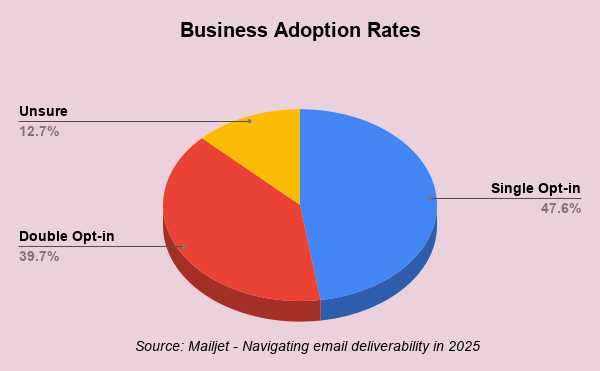
Even today, both opt-in methods remain widely used because businesses prioritize different goals. According to recent global sender surveys by Mailjet, 47.6% of businesses use single opt-in, while 39.7% rely on double opt-in. Another 12.7% are unsure which method they currently use. Businesses focused on faster list growth and higher signup conversions often prefer single opt-in because it reduces friction during signup. Brands that prioritize deliverability, engagement quality, compliance, and cleaner subscriber data are more likely to choose double opt-in.
Single Opt-In vs Double Opt-In: Pros and Cons Comparison
|
Single Opt-In (SOI)
|
Double Opt-In (DOI)
|
|---|---|
| Faster email list growth because users are added immediately after signup. | Slower list growth because subscribers must complete an email confirmation step. |
| One-step signup process with less friction for users. | Two-step signup process that requires email verification. |
| Higher signup completion rates since users do not need to check their inbox. | Lower signup completion rates because some users never confirm their email. |
| Subscribers start receiving emails instantly after form submission. | Subscribers receive emails only after confirmation is completed. |
| Easier signup experience for e-commerce discounts, offers, and lead generation forms. | Stronger subscriber verification helps confirm genuine interest. |
| Can collect more leads quickly during campaigns and promotions. | Collects cleaner and more accurate email data. |
| Higher risk of fake, mistyped, or disposable email addresses entering the list. | Lower risk of invalid or fake email addresses because users must verify ownership. |
| Bounce rates and spam complaints may increase if low-quality emails are collected. | Lower bounce rates and spam complaints due to verified subscriptions. |
| Engagement rates may be lower because some users subscribe casually or accidentally. | Engagement rates are often higher because subscribers actively confirm interest. |
| Sender reputation and inbox placement can be affected if list quality declines. | Better deliverability and sender reputation because the email list stays cleaner. |
| Provides weaker proof of user consent in compliance-focused environments. | Provides stronger proof of consent and subscription intent. |
| Best suited for businesses focused on rapid list growth and higher conversions. | Best suited for businesses focused on engagement quality, deliverability, and compliance. |
How to Decide What Your Business Actually Needs
Choosing between single opt-in and double opt-in depends on what your business values more: faster subscriber growth or higher-quality email data.
If your goal is to grow your email list quickly, single opt-in is often the preferred choice. Users can subscribe instantly without an additional confirmation step, making the signup process faster and easier. This approach is commonly used by e-commerce brands, media platforms, newsletter-focused businesses, discount campaigns, and lead-generation forms where maximizing signup conversions and subscriber growth are priorities.
However, if your focus is on building a high-quality email list, double opt-in is generally the stronger option. Since subscribers must confirm their email address before joining the mailing list, businesses can filter out fake signups, typo-based submissions, bots, disposable email addresses, and low-intent users. This usually leads to cleaner subscriber data, better engagement, lower spam complaints, and stronger deliverability.
The right choice also depends on your industry and email strategy. E-commerce and media brands often prioritize faster audience growth, which is why many lean toward single opt-in. SaaS companies, B2B businesses, financial services, and compliance-focused industries usually prefer double opt-in because verified subscribers, lead quality, and clearer proof of user consent are often more important than rapid list growth. This becomes especially important for businesses operating under privacy regulations such as GDPR and similar data protection laws.
Many businesses today also use a middle-ground approach by combining single opt-in with real-time email verification tools. This helps block invalid or disposable email addresses during signup while still keeping the signup process fast and user-friendly. Some businesses later use email list cleaning and engagement-based segmentation to maintain list quality.
In most cases, double opt-in remains the better choice for businesses that prioritize long-term email health and subscriber quality. However, one challenge with double opt-in is that some users never complete the confirmation step, which can reduce total signup numbers. This is one reason many businesses still choose single opt-in, especially when rapid list growth and lower signup friction are important.
How to Set Up Single and Double Opt-In the Right Way
The effectiveness of your opt-in strategy depends not only on the method you choose but also on how well the signup process is designed. A poorly configured opt-in flow can reduce signup conversions, create friction for users, and allow low-quality email addresses into your mailing list. Whether you use single- or double-opt-in, the setup should focus on balancing user experience, email quality, and long-term deliverability.
How to Set Up Single Opt-In
1. Create a Simple Signup Form
Start by designing a clean, easy-to-use signup form. Most businesses keep the form short because every additional field can reduce conversions. In many cases, asking only for the email address is enough.
Single opt-in forms are commonly placed on:
- website popups
- landing pages
- blog sidebars
- checkout pages
- newsletter signup sections
The goal is to reduce friction and make signup as fast as possible.
2. Add Real-Time Email Verification
Since subscribers are added immediately without confirmation, validating email addresses during signup becomes important.
Many businesses now use real-time email verification tools to:
- detect invalid email addresses
- catch typo-based submissions
- block disposable email addresses
- reduce fake or temporary inboxes
This helps improve email quality while still maintaining a smooth signup experience.
3. Protect the Form From Bots and Spam Signups
Single opt-in forms are more vulnerable to bot submissions and fake signups because they lack a verification step.
To reduce this risk, businesses often use:
- CAPTCHA verification
- bot protection tools
- signup rate limits
- blocked disposable email domains
These protections help prevent low-quality contacts from being added to the mailing list.
4. Send an Immediate Welcome Email
Once the signup is complete, send a welcome email immediately. This confirms the subscription and helps businesses start engagement early.
Many brands also use the welcome email to:
- introduce their newsletter
- explain what subscribers will receive
- share discount codes or onboarding links
- encourage whitelist additions for better inbox placement
How to Set Up Double Opt-In
1. Enable Double Opt-In in Your Email Platform
Most email marketing platforms provide a built-in option to enable double opt-in for signup forms and subscriber lists. Once this setting is activated, users who submit their email address are not added to the mailing list immediately. Instead, they first receive a confirmation email asking them to verify their subscription.
This setup process usually includes:
- enabling automatic confirmation emails
- placing new signups in a temporary or pending subscriber stage
- defining what happens after confirmation, such as redirecting users to a thank-you page or adding them to a specific email list
Only after the subscriber clicks the confirmation link are they officially added to the mailing list. This additional step helps businesses confirm that the email address is valid, accessible, and intentionally submitted by the user.
2. Create the Confirmation Email
The confirmation email is one of the most important parts of the double opt-in process because it directly affects signup completion rates.
A strong confirmation email should:
- clearly explain why verification is required
- contain a highly visible confirmation button
- match your brand tone and design
- arrive immediately after signup
Many businesses also remind users to check spam or promotions folders in case the confirmation email is missed.
3. Optimize the Confirmation Experience
One of the biggest challenges with double opt-in is confirmation drop-off. Some users sign up but never complete the verification step.
Businesses often reduce this problem by:
- using clear subject lines
- keeping confirmation emails visually simple
- minimizing unnecessary text
- displaying a confirmation success page after verification
The easier the process feels, the higher the confirmation rate.
4. Add Subscribers Only After Verification
Subscribers should be added to the mailing list only after clicking the confirmation link. This helps verify that:
- the email address is real
- the inbox is accessible
- the user intentionally subscribed
This additional step is one reason double opt-in usually yields cleaner, more engaged email lists.
Bottom Line
Single opt-in and double opt-in both help businesses grow email lists, but they prioritize different outcomes.
Single opt-in focuses on faster subscriber growth by keeping the signup process quick and frictionless. This makes it a common choice for e-commerce brands, newsletter-focused businesses, promotional campaigns, and lead-generation forms where maximizing conversions is important.
Double opt-in takes a more verification-focused approach. By requiring subscribers to confirm their email address before joining a mailing list, businesses can build cleaner, more reliable, and more engaged subscriber.
The right choice ultimately depends on your business goals and email strategy. Businesses focused on rapid list growth often prefer single opt-in, while brands that prioritize subscriber quality, engagement, compliance, and long-term deliverability usually lean toward double opt-in.
However, when the focus is specifically on building a high-quality email list, double opt-in is generally the better choice. The additional verification step helps ensure that subscribers are genuine, reachable, and genuinely interested in receiving future emails, resulting in stronger long-term email performance.