
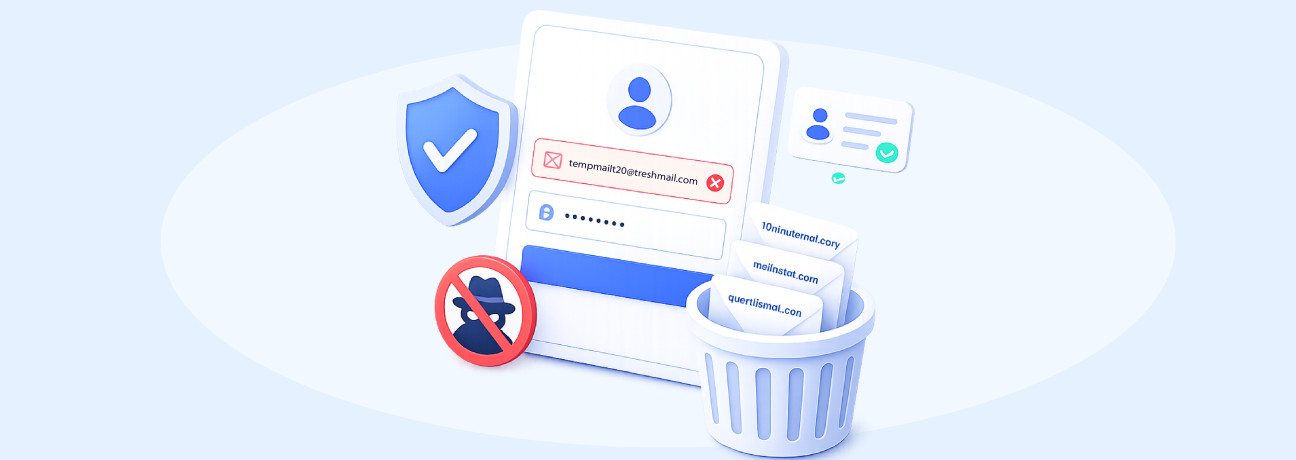
Every SaaS business wants more users signing up, but not every signup represents real growth.
Many platforms end up with fake registrations without realizing it. These can come from bots, users repeatedly signing up for free trials, or people using disposable email addresses. While these signups may increase your numbers, they rarely convert into real customers.
This results in low engagement, higher bounce rates, and poor campaign performance. In fact, research shows that nearly 45% of the data marketers use is incomplete, inaccurate, or outdated, highlighting how poor data quality can directly impact business decisions. As a result, your analytics become unreliable, and your marketing efforts are spent on users who were never genuinely interested in your product.
To build a reliable and scalable SaaS application, it’s important to prevent fake signups and disposable email addresses at the source.
In this blog, you’ll learn what fake signups and disposable emails are, why they occur in SaaS applications, and how to prevent them effectively.
What Are Fake Signups?
Fake signups are registrations where the information submitted is not genuine or does not belong to a real, unique user.
These signups often occur when people enter random or incorrect details, create multiple accounts to reuse benefits like free trials, or when bots automatically fill and submit signup forms many times in a short period.
As a result, fake signups introduce low-quality and unreliable data into your system, making it difficult to identify and engage with actual users.
What Are Disposable Email Addresses?
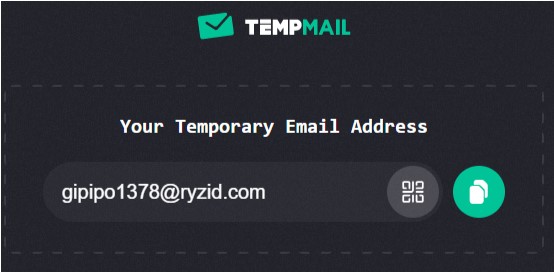
Disposable email addresses are temporary email accounts that can be used for a short period and then discarded.
These emails are typically generated through online services and do not require permanent registration. Users often rely on them to quickly complete signup forms, access free trials, or avoid sharing their personal or work email addresses.
Since these addresses are short-lived or inactive after use, they rarely engage with your product, making them unreliable for communication and long-term user tracking.
Types of Disposable Email Addresses
In most SaaS scenarios, disposable emails are commonly used in the following ways:
- Time-based temporary emails – These email addresses remain active for a short period (such as a few minutes). Users can receive verification emails and access your platform, but the inbox is automatically deleted after the time expires.
- One-time or throwaway emails – These are created for a single use, typically to complete a signup or verify an account. Once used, they are immediately abandoned and never accessed again.
Essential Differences Between Fake Signups and Disposable Emails
Fake signups and disposable email addresses are closely related, but they serve different roles in the signup process. See the comparative summary below:
|
Fake Signups
|
Disposable Email Addresses
|
|
|---|---|---|
| Scope | Broad issue involving low-quality or non-genuine registrations | Specific type of email used during signup |
| Definition | Accounts created without real intent to use the product | Temporary email accounts that can be discarded after use |
| Purpose | To exploit features, access free trials, or automate activity | To avoid sharing a real email address or bypass checks |
| Source | Bots, duplicate users, trial abuse | Temporary email service providers |
| Usage Stage | Occurs during the entire signup process | Used specifically at the email entry stage |
| Impact | Affects analytics, engagement, and overall data quality | Leads to invalid contacts and poor email communication |
Key Impacts of Fake Signups and Disposable Emails
Fake signups and disposable emails may increase your user numbers, but they create serious problems. They affect your data, marketing performance, costs, and overall business growth.
- Distorted Analytics & Metrics: Fake signups inflate your user numbers and give a false picture of growth. This affects key metrics like active users, conversion rates, and customer acquisition cost (CAC), leading to poor business decisions based on inaccurate data.
- Wasted Marketing & Infrastructure Budget: You end up spending money on emails, ads, storage, and server resources for users who will never engage or convert. This reduces your return on investment and wastes valuable resources.
- Damaged Email Deliverability: Sending emails to disposable or invalid addresses increases bounce rates. Also, this harms your sender reputation and causes even important emails to land in spam folders.
- Free Trial and Feature Abuse: Users create multiple accounts using temporary emails to repeatedly access free trials or features. This reduces your chances of converting users into paying customers and impacts revenue.
- Increased Operational Costs: Fake accounts still require support, storage, and system resources. Your teams may spend time handling fake onboarding, password resets, or support requests that bring no real value.
- Difficulty Identifying Genuine Users: When your database is filled with low-quality accounts, it becomes harder to identify users who are actually interested in your product. This slows down sales and customer success efforts.
Common Reasons for Fake Signups and Disposable Emails in SaaS
Below are the most common reasons why fake signups and disposable emails happen in SaaS platforms:
Free Trial Misuse
One of the biggest reasons is free trial abuse. Many SaaS platforms offer limited-time free access to attract new users, but some people take advantage of this deal. Instead of upgrading to a paid plan, they create multiple accounts using different email addresses.
Once the trial ends, they simply switch to a new email and start again. This cycle allows them to keep using the product without ever becoming paying customers. Also, this leads to inflated signup numbers but very low conversion rates.
Bot-Driven Automated Signups
Not all signups come from real people. In many cases, bots or automated scripts create fake accounts. These bots can fill out signup forms within seconds and generate hundreds or even thousands of accounts in a short time.
This usually happens when authentication mechanisms during signup are not effectively implemented. Bots are often used for spam activities, testing system vulnerabilities, or abusing referral programs. Since they operate automatically, they can quickly flood the system with fake users.
Use of Disposable Emails for Privacy
Some users prefer not to use their personal or work email addresses when signing up for new services. Instead, they use disposable or temporary email addresses that are created instantly online.
These email addresses are valid only for a short time and are often deleted after a few minutes or hours. While this is usually done for privacy reasons or to avoid spam emails, it still creates a problem for SaaS platforms because these users rarely return or engage with the product again.
Referral and Reward Exploitation
Many SaaS platforms offer incentives such as referral bonuses, credits, discounts, or free upgrades. While these rewards are meant to encourage growth, some users try to misuse the system.
They create multiple accounts using different email addresses to repeatedly claim rewards. In some cases, they may even use disposable emails to avoid detection. This leads to artificial growth in user numbers but does not bring real value to the business.
Weak Signup Verification Systems
When a SaaS platform lacks robust verification checks, it becomes easier for fake users to gain access to the system. For example, if there is no email verification, disposable email detection, or bot protection, anyone can create an account without restriction.
This lack of security makes the system vulnerable to fake signups, spam accounts, and automated registrations, which slowly reduce the quality of the user base.
Very Easy or Frictionless Signup Process
SaaS products often try to reduce signup friction to improve conversions. While this helps increase the number of users, it can also create an open door for fake registrations.
If there are no additional checks, such as CAPTCHA, email validator widget in signup, or rate limiting, bots and low-intent users can easily sign up in seconds. Also, this affects the reliability of user data and makes it harder to identify genuine customers.
How to Stop Fake Signups and Disposable Emails
As your user base grows, so does the risk of bot registrations, duplicate accounts, and disposable email addresses. Applying the right verification steps during signup helps filter out low-quality entries early and ensures that only genuine users are allowed to proceed. Here are some effective methods to reduce fake signups and improve data quality:
Real-Time Email Validation
Validating email addresses at the point of entry helps prevent invalid, mistyped, or non-existent email addresses from being added during signup. Instead of relying only on basic format checks, real-time validation goes further by verifying whether the domain exists and whether the email address can receive messages. This process helps identify and filter out low-quality or unreachable email addresses before they are accepted. As a result, only valid and contactable users are allowed to proceed, improving data accuracy and making communication more reliable.
To understand how to accurately identify valid, invalid, and risky email addresses, read our complete guide on How Do You Know if an Email Is Valid
Disposable Email Detection
Disposable email services are often used to access free trials multiple times and create temporary accounts. These services generate email addresses using known disposable domains.
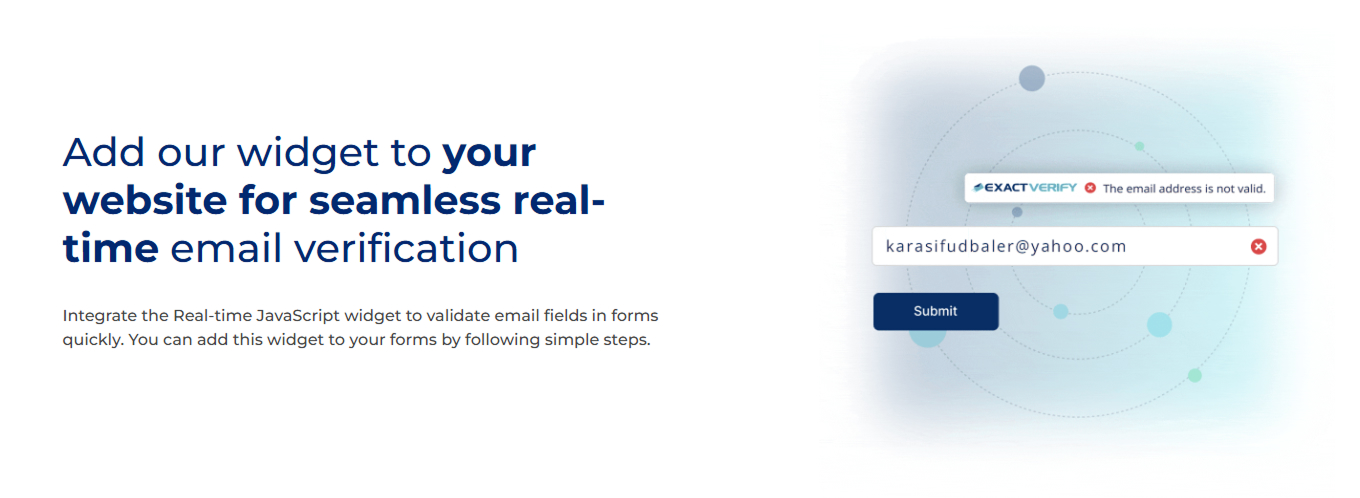
To identify such addresses, SaaS platforms can use email validation widget or email verification tool during the signup process. These solutions check whether an email belongs to a disposable domain in real time and help prevent invalid or temporary accounts from being created.
By identifying email addresses associated with such domains, you can block or restrict temporary signups before they enter your platform. This helps prevent short-lived accounts, improves data quality, and reduces the number of unreachable contacts in your system.
CAPTCHA and Bot Protection
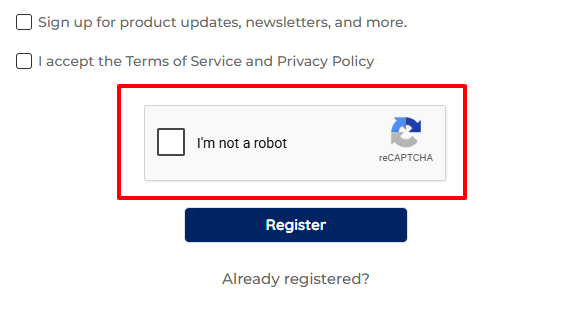
Automated bots are a major source of fake signups in SaaS applications. Adding CAPTCHA solutions, such as Google reCAPTCHA, helps distinguish real users from automated scripts during registration. These CAPTCHA checks analyze user behavior such as mouse movements, typing patterns, and interaction timing to detect non-human activity and stop it before the signup is completed. This reduces fake account creation and helps maintain more reliable user data.
Rate Limiting
Rate limiting controls how many times a user can attempt to sign up within a specific period, usually based on their IP address. This helps prevent bots or attackers from creating multiple accounts in a short time. By restricting repeated signup attempts, it slows down automated activity and reduces bulk account creation. This makes it more difficult for bots to flood your platform with fake registrations.
Device Fingerprinting and IP Tracking
Tracking details such as a user browser, device type, and IP address helps identify patterns of repeated signups. Even if someone uses different email addresses, similar device or network details can indicate that the same user is creating multiple accounts. This makes it easier to detect suspicious activity and flag or limit duplicate registrations more effectively.
Double Opt-In Verification
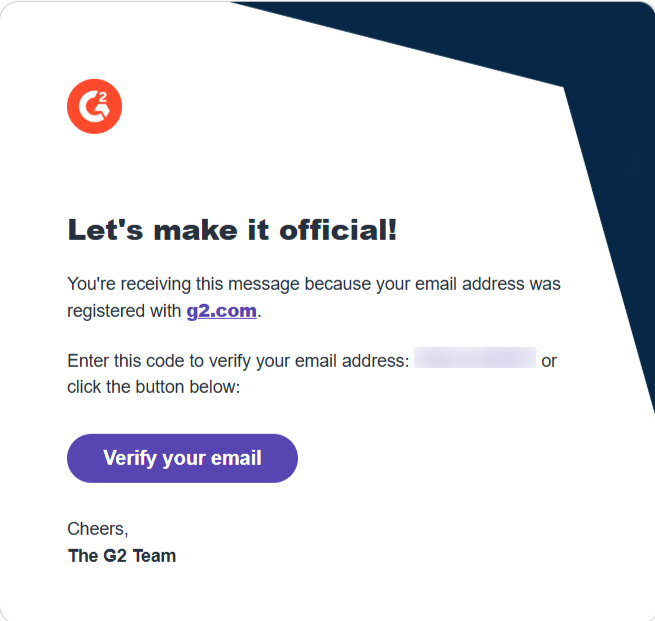
Double opt-in requires users to confirm their email address before their account is activated. After signing up, a confirmation email is sent, and users must verify it to complete the registration. This step ensures that the email address is valid and accessible, helping reduce fake or mistyped entries. It also improves the overall quality of your user base by allowing only verified users to proceed.
Fraud Detection and Risk Scoring
Fraud detection uses multiple signals, such as user behavior, device details, and email patterns, to evaluate each signup. Based on these signals, a risk score is assigned to determine how trustworthy a registration appears. If a signup looks suspicious, it can be flagged for review or restricted automatically. This adds an extra layer of protection beyond basic checks, helping reduce fake accounts and improve overall signup quality.
Real-Time Data Validation Across Fields
In addition to email verification, validating other inputs such as names, phone numbers, and location details helps improve overall signup quality. Real-time data validation checks these inputs as users enter them, ensuring that the information follows the correct format and remains consistent across fields.
For example, phone numbers can be validated for proper structure and country code, while location details can be checked for format and logical consistency. Cross-checking multiple inputs makes it easier to identify mismatched or suspicious data, such as unrealistic names or conflicting details.
Studies indicate that real-time validation can reduce data entry errors by up to 80% and improve form completion rates by 20–30%, as users can correct mistakes instantly during signup.
By applying these checks during signup, SaaS platforms can reduce fake or low-quality accounts and maintain more accurate and reliable user data.
How ExactVerify Helps Prevent Fake Signups and Disposable Emails
ExactVerify helps reduce fake signups by validating email addresses as users submit their details during registration. Instead of allowing all entries to pass through, it checks whether the email provided is valid and usable before a user account is created.
As the email is entered, it verifies the structure, checks whether the domain exists, and determines if the mailbox can receive messages. These checks help filter out invalid, mistyped, or non-functional email addresses that are often linked to low-quality signups.
It also identifies disposable and temporary email domains commonly used to create short-term or repeated accounts. When such addresses are detected, they can be blocked or flagged, making it more difficult to sign up multiple times using different temporary emails.
Because this validation happens instantly, genuine users can complete the signup process without disruption, while suspicious or low-quality entries are filtered out early.
By preventing invalid and disposable email addresses from being accepted, ExactVerify helps maintain accurate user data and reduces issues caused by fake or inactive accounts.
Bottom Line
Growing your SaaS user base is important. However, not all signups contribute to meaningful growth. While fake registrations and disposable email addresses may increase numbers, they do not lead to real engagement, conversions, or long-term value.
By implementing the right verification methods, such as real-time email validation, bot protection, and multi-layered checks, you can filter out low-quality signups at the source. This ensures your user base consists of genuine, reachable users who are more likely to engage with your product.
Focusing on signup quality not only improves data accuracy but also strengthens marketing performance, reduces unnecessary costs, and supports better decision-making.
In the long run, a smaller but high-quality user base is far more valuable than inflated signup numbers that do not translate into real business growth.